
blog · 26 October 2026 · 11 min read
What Makes Affordable Land Investment in Abuja a Smart Choice?
By Editorial Team

Last Updated: October 26, 2026
Quick Summary
Affordable land investment in Abuja offers a practical path for building lasting wealth through strategic purchases in emerging corridors, where land appreciates at rates between 18-25% annually during active development periods. This approach allows first-time investors and working professionals to enter appreciating markets before mainstream attention drives prices beyond reach.
- Land in mid-belt corridors like Hutu, Pyakasa, and Karsana has demonstrated consistent annual appreciation of 18-25% during growth phases.
- Entry-level plots with Right of Occupancy titles in developing areas start around ₦2.5 million, while Certificate of Occupancy properties on established corridors command over ₦95,000 per square metre.
- Most developers offer structured payment plans spanning 12-36 months, typically requiring 20-30% upfront with the remainder split into monthly or quarterly payments.
- Independent boundary verification by a qualified surveyor costs ₦50,000-₦100,000 and prevents costly disputes.
- Mid-town and family rentals in established areas generate gross yields of 5-8% annually, providing a benchmark for long-term appreciation potential.
Table of Contents
- Why Affordable Land Investment in Abuja Matters for Your Wealth
- Understanding Abuja Land Prices and What Affects Them
- Best Areas to Buy Land in Abuja for Long-Term Returns
- How to Verify Land Documents in Abuja Before You Commit
- Buying Land in Abuja on Instalments: Your Flexible Path to Ownership
- Red Flags and Mistakes to Avoid When Investing in Land
- Start Your Affordable Land Investment Journey with Confidence
- Frequently Asked Questions
Why Affordable Land Investment in Abuja Matters for Your Wealth
Building lasting wealth through property doesn't require a fortune to start. Affordable land investment in Abuja offers a practical path for first-time investors, working professionals, and families seeking long-term returns without overextending financially. Strategic land purchases in emerging corridors consistently outpace traditional savings vehicles.
The numbers tell the story. Land in mid-belt corridors has appreciated at rates between 18-25% annually during active development periods, according to Sites and Lifestyle's 2026 Land Investment Guide. That's substantially higher than inflation. For investors starting with smaller capital, this means your initial investment compounds meaningfully over five to ten years.
The real advantage of affordable land investment in Abuja isn't just the price point, it's the timing. You're entering markets before mainstream attention drives prices beyond reach. Early movers capture the appreciation curve that later buyers never see.
Understanding Abuja Land Prices and What Affects Them
Land prices in Abuja span a wide range depending on location, title type, and infrastructure maturity. Entry-level plots with Right of Occupancy titles in developing areas like Kuje start around ₦2.5 million, while Certificate of Occupancy properties on established corridors like Airport Road command over ₦95,000 per square metre, according to Otuochi Shelters' 2026 Investment Guide.
Three factors drive these differences:
Title Type. A Certificate of Occupancy (C of O) offers stronger legal protection and faster resale potential than a Right of Occupancy (R of O). This security premium justifies higher prices. If you're buying for long-term wealth building, the stronger title protects your investment through unforeseen circumstances.
Location and Infrastructure. Land near completed roads, utilities, and commercial hubs appreciates faster. Proximity to major routes or planned developments signals future demand.
Development Stage. Plots in emerging phases cost less but carry timing risk. Established estates command premiums because infrastructure is proven and buyer confidence is high.
Understanding these drivers helps you spot genuine value. A cheap plot in an area with no planned development won't appreciate. A moderately priced plot in an active corridor will.
Land prices in Abuja vary significantly based on three key factors that determine investment value.
| Factor | Impact on Price | Key Detail |
|---|---|---|
| Title Type | Certificate of Occupancy commands premium | Offers stronger legal protection than Right of Occupancy |
| Location and Infrastructure | Near roads and utilities appreciates faster | Proximity to major routes signals future demand |
| Development Stage | Emerging phases cost less | Established estates command premiums with proven infrastructure |
Best Areas to Buy Land in Abuja for Long-Term Returns
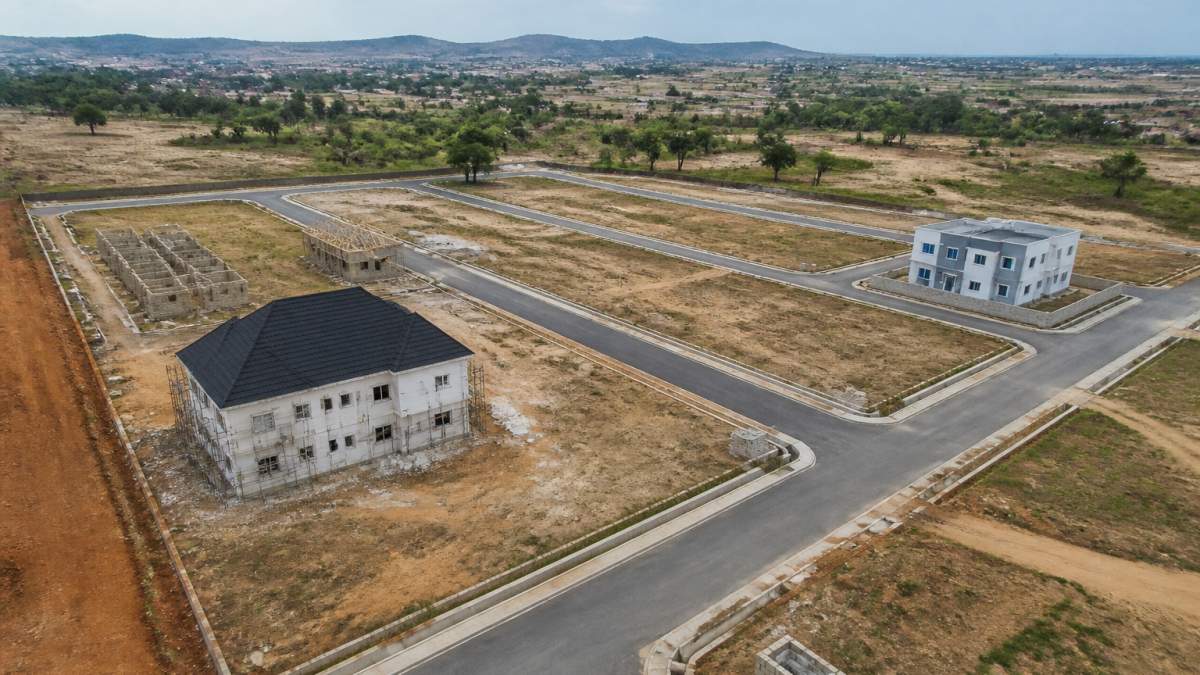
The strongest returns come from mid-belt corridors where development is active but prices haven't peaked. Hutu, Pyakasa, and Karsana have demonstrated consistent appreciation, with historical annual gains of 18-25% in naira terms during growth phases, as documented by Sites and Lifestyle's 2026 Buyer's Guide.
These areas work because they sit between established estates and the urban fringe. Infrastructure is spreading outward. Demand from professionals seeking affordable options drives buyer activity. You can explore the best residential estates in Abuja with pricing, security features, and location details to identify specific communities matching your budget and investment timeline.
Avoid chasing the absolute cheapest land in remote areas. The savings evaporate if infrastructure never arrives. Instead, target zones with visible development momentum, paved access roads, utility connections being laid, and active construction nearby.
Rental yield context matters too. Mid-town and family rentals in established areas generate gross yields of 5-8% annually, according to Baay Realty's 2026 ROI Analysis. This tells you what completed properties earn, giving you a benchmark for long-term appreciation potential.
How to Verify Land Documents in Abuja Before You Commit
Document verification is where most first-time investors stumble. A cheap deal becomes expensive when the title is disputed or the survey is flawed.
Start with the essentials. Verify that the seller holds a valid Certificate of Occupancy or Right of Occupancy from the Abuja Land Registry. Request the original document, not a photocopy. Check that the property description matches the physical boundaries. A mismatch signals either survey errors or intentional misrepresentation. Learn about the important documents required for property transactions to ensure you have all necessary paperwork before proceeding.
Next, confirm the plot size and dimensions. Survey plans should show exact measurements, bearings, and a reference to official survey coordinates. Cross-reference these with the title document. If they don't align, walk away.
Title history matters. Request evidence that the current seller acquired the land legitimately. A chain of ownership going back at least three transactions provides confidence. If the seller can't produce this, the title may be contested or recently acquired under unclear circumstances.
You can learn the verification steps to avoid property fraud and protect your investment before committing to a purchase. This guide walks through the specific documents you'll need and red flags to watch for.
A final step: have a qualified surveyor conduct an independent boundary verification. This costs around ₦50,000-₦100,000 but prevents disputes that could cost millions. It's the cheapest insurance you can buy.
Buying Land in Abuja on Instalments: Your Flexible Path to Ownership
Saving the full purchase price before buying locks you out of appreciating markets. Instalment plans let you enter now and build equity as the property gains value.
Most developers and agents offer structured payment plans spanning 12-36 months. A typical arrangement requires 20-30% upfront, with the remainder split into monthly or quarterly payments. This approach means you're paying partly with appreciated land value, not just your savings.
The mathematics work in your favor. If land appreciates 20% annually and you're paying over 24 months, your later payments are made with cheaper naira while the asset rises in value. Your effective cost is lower than if you'd saved first.
Understand different payment plan options available to make affordable land purchases more manageable. This resource explains instalment structures, what to negotiate, and how to structure payments to match your cash flow.
Watch the contract terms carefully. Ensure penalties for missed payments are reasonable, typically 2-5% monthly, not punitive rates. Confirm that you receive interim documentation proving your ownership stake as you pay. Never hand over money without a signed agreement specifying the payment schedule, the plot details, and your rights if the seller defaults.
Red Flags and Mistakes to Avoid When Investing in Land
The biggest mistake is rushing. Cheap deals attract attention, and attention creates pressure to decide fast. Resist it. A deal that vanishes because you took time to verify wasn't a deal, it was a trap. True due diligence requires that you verify lot buildability before committing your capital to ensure the terrain supports your long-term development goals.
Watch for sellers offering prices significantly below market rates without clear explanation. Underpriced land usually signals title disputes, boundary conflicts, or planned government acquisition. Ask why the price is low. If the answer is vague, investigate further.
Avoid plots with unclear survey histories or missing boundary markers. These create disputes years later when neighboring developments encroach or the government revises land use classifications. The cost of resolving disputes far exceeds any savings from a cheap purchase.
Be cautious of agents pressuring you to skip verification steps. Legitimate agents encourage thorough checks because clean transactions protect everyone. Pressure is a warning sign.
Finally, don't assume location alone guarantees returns. A plot in a prestigious area that's already fully developed won't appreciate like one in an emerging corridor. The best returns come from areas where infrastructure is arriving, not where it's already complete.
A published LinkedIn post warns that buyers can be distracted by cheap deals and overlook title checks, trusted guidance, and location value. This oversight costs investors millions in disputes and depreciation.
Start Your Affordable Land Investment Journey with Confidence
Affordable land investment in Abuja builds generational wealth when approached strategically. You've now learned how to evaluate prices, identify emerging corridors, verify documents, and structure payments to match your finances.
The gap between intention and action is where most investors stall. You know what to do. The next step is to move forward with confidence.
Pennek combines over 15 years of experience in creating residential communities with transparent processes designed to eliminate the uncertainty that stops investors. We provide end-to-end solutions, from identifying properties in high-growth corridors to structuring flexible payment plans and estimating your mortgage repayments before you commit. Our team guides first-time buyers through every verification step, ensuring your investment is protected.
Get started with Pennek and build the wealth-generating asset portfolio you've been planning.
Frequently Asked Questions
How much does a plot of land cost in Abuja?
Land prices in Abuja vary significantly based on location, title type, and plot size. Right of Occupancy plots in areas like Kuje start from ₦2.5 million, while Certificate of Occupancy properties on premium corridors like Airport Road command ₦95,000 per square metre or higher. Mid-belt areas typically fall between these extremes. Exact pricing depends on the specific location, accessibility, and development stage of the area. Contact Pennek for a current quote tailored to your budget and investment goals.
Can I buy land in Abuja with a deposit and pay in instalments?
Yes, many developers offer flexible payment plans that allow you to start with a deposit and complete payment over time. This approach makes affordable land investment in Abuja accessible to more buyers, especially first-time investors. The specific terms, instalment duration, and interest rates depend on the developer and property. Pennek provides transparent payment structures designed to fit your financial situation, discuss your needs with our team to explore options that work for you.
What should I check before buying land in Abuja?
Before committing, verify the land title (Certificate of Occupancy or Right of Occupancy), confirm the developer's track record and legitimacy, inspect the physical location, check for clear boundaries and survey plans, and ensure there are no disputes or liens on the property. A trusted guide or real estate professional can help you navigate these steps. Pennek's end-to-end support includes helping you verify documentation and understand what you're purchasing, so you invest with confidence.
Is buying land in Abuja a good investment?
Land investment in Abuja can offer strong long-term value, particularly in developing corridors where appreciation has historically ranged from 18-25% annually during active periods. Returns depend on location choice, title security, and your investment horizon. Rental yields on completed properties range from 5-8% for mid-town and family properties. Success requires careful site selection, document verification, and working with experienced partners. Pennek helps you identify opportunities with genuine appreciation potential and transparent returns.
The difference between investors who build lasting wealth and those who hesitate is clarity and confidence. You now have the clarity. Pennek provides the confidence through transparent guidance and proven processes that have helped thousands transform land purchases into generational assets.
