
blog · 18 October 2026 · 14 min read
Best Residential Estates in Abuja: 2026 Guide
By Editorial Team
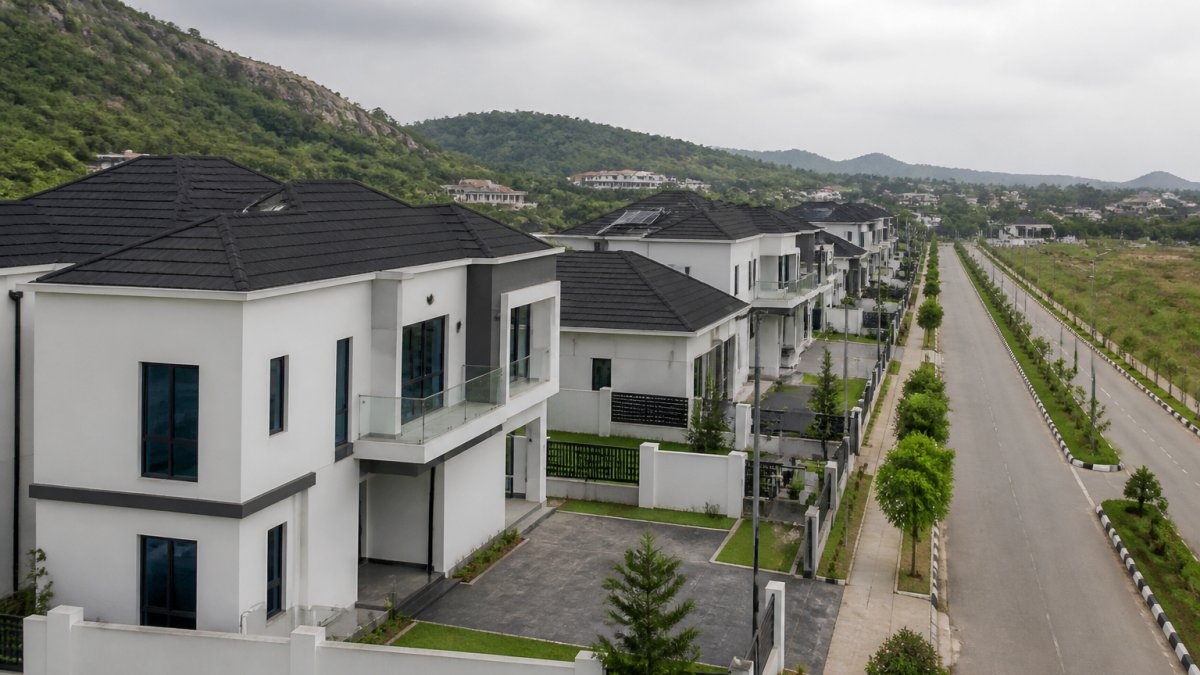
Table of Contents
- What Makes a Residential Estate Stand Out
- Best Areas to Live in Abuja: Estate Rankings and Locations
- Affordable Estates in Abuja: Quality Without Premium Costs
- Houses for Sale in Abuja Estates: Investment Opportunities
- Houses for Rent in Abuja Estates: Rental Income Strategy
- Estate Service Charges and Total Cost of Ownership
- How to Choose the Right Residential Estate for Your Needs
- Frequently Asked Questions
Last Updated: October 18, 2026
What Makes a Residential Estate Stand Out
A quality residential estate combines security, infrastructure, and community planning, gated access, reliable utilities, and design that supports daily living and long-term appreciation.
Three factors separate a thriving estate from an average one: how well the developer maintains common areas and security, whether essential services (water, electricity, waste) function reliably, and how accessible the location is to workplaces, schools, and healthcare.
Security infrastructure matters most: perimeter fencing, controlled entry points, and trained personnel attract families seeking peace of mind. Residents also expect functioning roads, street lighting, and amenities that justify their service charges.
Best Areas to Live in Abuja: Estate Rankings and Locations
This ranking scores residential estates in Abuja against five criteria, security and access control, infrastructure reliability (roads, water, power, drainage, waste), commute and amenity access, estate management quality, and total cost of ownership, and groups them by the household they suit.
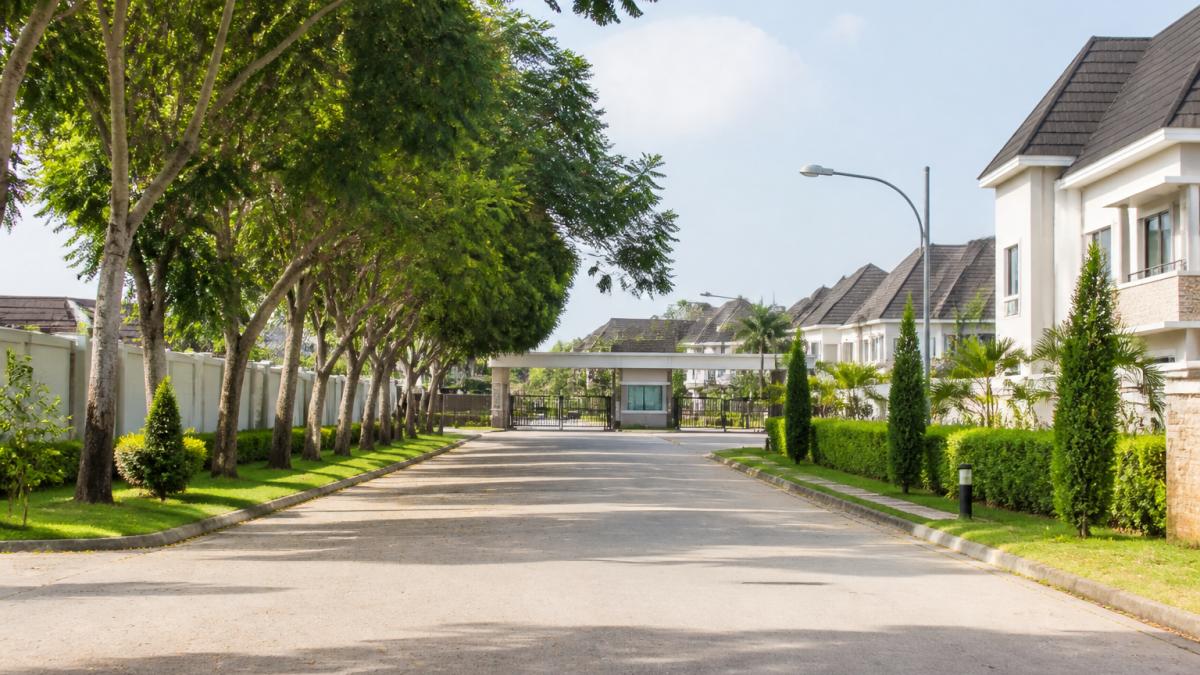
How the ranking works
Each estate is scored 1-5 on the five criteria above. A high score requires evidence, not marketing: a documented service-charge history, functioning backup water and power, paved internal roads with drainage, and a management team residents can name. Prestige without infrastructure is marked down.
Tier 1, Established premium estates
These estates have mature infrastructure, active management, and the strongest resale and rental demand. They suit buyers prioritizing stability and long-term appreciation over entry price.
- Guzape and Asokoro-adjacent estates, Central, close to the Central Business District and Maitama, with established utility systems and strong security. Detached homes and terraces typically list from the high hundreds of millions of naira upward; rents for a four-bedroom detached home commonly fall in the ₦2,500,000-₦5,000,000 monthly band depending on finish and phase. Best for senior professionals, diplomats, and long-hold investors.
- Maitama and Wuse II estates, The most central and most expensive, with the shortest commutes to government and business districts. Service charges are correspondingly high. Suits executives and institutions; less suited to first-time buyers.
- Katampe Extension and Jabi lakeside estates, A middle-premium tier with newer stock, good road access, and growing commercial activity nearby. Three- to four-bedroom terraces commonly rent in the ₦1,500,000-₦3,000,000 monthly range. Suits families and professionals who want central access without Maitama pricing.
Tier 2, Mid-range planned estates
These estates offer planned layouts, basic security, and improving infrastructure at accessible prices, the sweet spot for first-time buyers and yield-focused landlords.
- Lifecamp and Kado estates, Established, well-located, and popular with families and civil servants. Three-bedroom flats and terraces commonly rent in the ₦800,000-₦1,800,000 monthly band; sale prices for a three-bedroom terrace typically sit in the ₦80,000,000-₦180,000,000 range depending on phase. Verify water supply and service-charge history before committing.
- Kubwa and Gwarinpa-adjacent estates, Larger populations, lower service charges per household, and strong rental demand from young professionals. Expect three-bedroom rents in the ₦600,000-₦1,200,000 monthly band. Commute times to central workplaces are longer, so weigh transport cost against rent savings.
- Dawaki and Gwarinpa Extension estates, Good road access, expanding commercial activity, and a mix of terraces and detached homes. Suits families prioritizing space and schools over central proximity.
Tier 3, Emerging estates
These offer the lowest entry prices and highest appreciation potential, but infrastructure is still maturing, suited to investors with a 5-10 year horizon willing to verify completion schedules.
- Karsana and Lugbe-corridor estates, Affordable land and housing, with infrastructure developing in phases. Confirm that water, power, and internal roads for your specific phase are operational, not just planned. Entry prices are the lowest of the three tiers, but service charges can rise sharply as infrastructure is completed.
- Peripheral estates along major expressway corridors, Best value for first-time buyers, but commute times and reliance on private transport are real trade-offs. Request a written infrastructure completion schedule before paying.
Estate Security and Infrastructure
Security quality varies more within tiers than between them. A well-managed Tier 2 estate with 24-hour guards, CCTV, and controlled vehicle access often outperforms a poorly managed premium estate.
Infrastructure reliability is the single best predictor of resident satisfaction. Estates with independent water treatment, backup power, paved internal roads, and functioning drainage handle service interruptions far better than those dependent on public utilities.
Commute Times and Proximity to Amenities
Location drives both daily convenience and rental demand. Estates within a 15-25 minute drive of the Central Business District, Maitama, and Garki command premium rents.
A practical test: drive from the estate gate to your workplace, your children's school, and the nearest general hospital during rush hour before you commit. Estates that pass sustain stronger occupancy and resale value than those that only look good on a map.
Affordable Estates in Abuja: Quality Without Premium Costs
Affordability doesn't require compromising on essential amenities. Several well-planned estates deliver solid infrastructure and community features at reasonable service charges, ideal for first-time buyers and budget-conscious investors.
Kubwa and Lifecamp represent this category well: three- and five-bedroom homes at entry-level pricing with planned layouts, basic security, and developing commercial activity.
Emerging peripheral estates offer the most affordable land and housing.
Houses for Sale in Abuja Estates: Investment Opportunities
Abuja's residential property market continues to attract investors seeking long-term wealth through appreciation and rental income. Purchase decisions require evaluating location, property condition, title documentation, and realistic return projections.
Prices vary substantially by estate and property type: a three-bedroom villa in an established estate commands different pricing than an equivalent in an emerging area. Luxury estates justify higher price points through stronger tenant demand and slower depreciation.
Evaluating Property Value and Appreciation Potential
Appreciation depends on measurable factors. Estates with infrastructure completion, nearby commercial development, and rising rental demand typically appreciate 8-12% annually over five-year periods; estates with stalled development or deteriorating facilities may stagnate or decline.
Compare current prices against historical trends in the same estate. If prices stayed flat while surrounding areas appreciated, investigate why, poor management, security concerns, or incomplete infrastructure often persist and limit future appreciation.
Title Verification and Due Diligence
Title verification is non-negotiable: fraudulent or unclear titles are the single biggest risk in Nigerian real estate.
Engage a qualified property lawyer for due diligence: title searches at the Land Registry, building permit verification, regulatory compliance, and review of the developer's corporate registration and track record. This typically costs 1-2% of the property price but prevents far more expensive problems later.
Houses for Rent in Abuja Estates: Rental Income Strategy
Rental income provides steady cash flow while building equity through appreciation, but returns vary significantly by estate, property type, and market conditions.
Three-bedroom homes in established estates typically rent between ₦250,000-₦450,000 monthly, depending on location and amenities. Five-bedroom villas command ₦400,000-₦750,000 monthly.
Rental strategy must account for maintenance, property taxes, and vacancy. Many investors assume 100% occupancy and overlook maintenance, producing disappointing net returns.
Estate Service Charges and Total Cost of Ownership
Purchase price and rent are only the visible costs. The recurring ones, service charges, utilities, maintenance, levies, and vacancy, decide whether an estate is genuinely affordable or a rental investment actually profits. Compare estates on total cost, not headline price.
What service charges actually cover
Service charges fund shared operations: security, waste collection, common-area cleaning and landscaping, street lighting, generator fuel, water treatment and pumping, road and drainage maintenance, and management staff. What is included varies enormously, so always request the current schedule of charges and the services it covers.
Indicative 2026 monthly service charges per property:
- Premium estates (Guzape, Maitama, Asokoro-adjacent): commonly ₦50,000-₦150,000+ monthly for detached homes, reflecting full security, backup power, and landscaped common areas.
- Mid-range planned estates (Lifecamp, Kado, Gwarinpa-adjacent): commonly ₦15,000-₦50,000 monthly for terraces and flats.
- Emerging estates (Karsana, Lugbe corridor, peripheral phases): commonly ₦5,000-₦20,000 monthly, but expect increases as infrastructure is completed.
These are indicative ranges, not quotes. What matters is the trajectory: request a three-year service-charge history and ask what triggered each increase.
The line items buyers forget
Beyond service charges, budget for:
- Utilities, metered electricity, water where separately billed, and diesel or gas if the estate does not provide common backup power. In estates with unreliable public supply, generator fuel alone can add tens of thousands of naira monthly.
- Property and land charges, annual ground rent and any state or local government levies applicable to the property.
- Transaction costs at purchase, legal fees for title verification and due diligence commonly run 1-2% of the property price, plus agency and documentation fees.
A worked example
Take a three-bedroom terrace in a mid-range estate renting at ₦1,200,000 monthly (₦14,400,000 annually):
- Gross annual rent: ₦14,400,000
- Service charge at ₦30,000 monthly: ₦360,000
- Maintenance at 6% of gross rent: ₦864,000
Run the same calculation for a premium estate with a higher rent but a ₦100,000 monthly service charge and you may find the net gap is far smaller than the headline rents suggest. This is the comparison most buyers never make.
How to verify charges before you commit
Ask the estate management for: the current schedule of charges and services covered; a three-year charge history; the process and notice period for increases; and reserve or maintenance fund arrangements. Speak to two or three current residents about what they actually pay and receive. Estates with stable, modestly increasing charges and documented service delivery are usually better managed than those with low introductory charges that jump sharply.
How to Choose the Right Residential Estate for Your Needs
Start by defining your primary goal: primary residence, rental income, long-term appreciation, or a combination.
Next, set non-negotiable requirements: maximum commute time, essential amenities, security standards, and budget.
At Pennek, we guide clients through this evaluation systematically, helping you identify estates that align with your wealth-building objectives.
Choosing a residential estate in Abuja requires balancing location accessibility, infrastructure reliability, security standards, and financial feasibility.
Pennek specializes in identifying residential opportunities that combine affordability with genuine long-term value.
Frequently Asked Questions
What should I check before buying a home in a residential estate in Abuja?
Before purchasing, verify the property title through the Abuja Land Registry to confirm ownership legitimacy and freedom from encumbrances. Inspect infrastructure reliability, water supply, electricity, and road maintenance, by visiting the estate during different times. Review the estate management structure and service charges to understand ongoing costs. Request proof of the developer's track record and completed projects. Confirm security arrangements, including perimeter fencing, gatehouse staffing, and CCTV coverage. Have a legal representative review all contracts before signing.
Which residential estates in Abuja offer the best rental income potential?
Estates with strong rental demand combine proximity to business districts, quality infrastructure, and established community amenities. Properties in planned estates with reliable power supply, water access, and security attract tenants willing to pay sustainable rental rates. Estate management quality matters, well-maintained common areas and functional amenities justify higher rents. Research recent rental listings in your target estate to identify realistic annual rent figures. Consider estates near schools, hospitals, and commercial hubs, as these attract families and professionals seeking convenience.
How do estate service charges affect the total cost of owning a house in Abuja?
Service charges cover estate maintenance, security personnel, road repairs, waste management, and amenity upkeep. These charges vary widely depending on estate size, infrastructure quality, and management efficiency. Request a breakdown of charges and verify they have remained stable or predictable over recent years. Factor annual service charges into your budget alongside mortgage repayments and property taxes. Some estates charge per square metre or per property type, so clarify the exact calculation method before committing to purchase.
What is the difference between houses for sale and houses for rent in Abuja estates?
Houses for sale represent long-term wealth building through property ownership and potential appreciation, with the buyer bearing maintenance and service charge costs. Houses for rent provide immediate income for investors or flexible housing for tenants without ownership commitment. Sale prices reflect location, property size, and amenities; rental rates depend on market demand and property condition. Investors may purchase to generate rental income, while owner-occupiers buy to live permanently. Understanding your financial goal, wealth accumulation or income generation, determines which option suits your strategy.