
how-to · 21 October 2026 · 14 min read
Safe Real Estate Investment for Nigerians Abroad
By Editorial Team

Table of Contents
- Why Safe Real Estate Investment Matters for Nigerians Abroad
- Real Estate Due Diligence Checklist Before You Commit
- Property Documents to Verify Before Buying in Abuja
- How to Avoid Real Estate Scams in Nigeria
- Remote Property Management in Nigeria
- Investment Opportunities and Building Wealth
- Conclusion
- Frequently Asked Questions
Last Updated: October 21, 2026
Why Safe Real Estate Investment Matters for Nigerians Abroad
Safe real estate investment is the foundation of lasting wealth for Nigerians abroad. Property ownership is more than a financial asset, it's security, legacy, and a tangible connection to home.
Distance makes verification harder, and scams target diaspora investors because they can't visit regularly. Yet thousands of Nigerians abroad invest successfully every year by following a clear, disciplined process.
At Pennek, we've worked with diaspora investors for over 15 years, helping individuals and families build lasting wealth through premium land and housing investment opportunities. The difference between success and failure almost always comes down to doing your homework before you commit money.
This guide covers the checks to run, the documents to verify, and the red flags that should stop a deal cold, so you can evaluate opportunities with confidence from thousands of miles away.
Real Estate Due Diligence Checklist Before You Commit
Due diligence is your defense against fraud: the systematic verification of the seller, the property, and the paperwork before your money moves.
Use this as a repeatable workflow. Each step produces a document you keep.
Step 1, Verify the seller or developer before you discuss price.
Ask for the seller's government-issued ID, the company's CAC certificate of incorporation, and contact details for at least three past buyers.
Step 2, Commission your own professionals, not the seller's.
This is the most important conflict-of-interest check. The seller's lawyer represents the seller, and the seller's surveyor may have prepared the plan you're shown.
Step 3, Run the title search at the relevant land registry.
In the Federal Capital Territory, the search is at the Abuja Geographic Information Systems (AGIS) and the FCT land registry; for state land, the state land registry and geographic information service.
Step 4, Verify the survey plan against the physical site.
Have your own surveyor confirm the plan's coordinates, beacon numbers, and the plot's position relative to the access road and neighboring plots.
Step 5, Inspect the property and the neighborhood.
Hire a local inspector to document condition, access, drainage, and any signs of dispute (fencing disputes, warning notices, occupied structures on land sold as vacant). For off-plan purchases, inspect the developer's completed projects and speak to those residents.
Step 6, Confirm the payment structure and escrow.
Never pay the full price on a promise. Structure payments against milestones, deed execution, deed registration, delivery of possession, and use a lawyer's client account or bank escrow where available.
Step 7, Assemble the evidence file.
Keep digital and physical copies of the CAC search, registry search report, your lawyer's title opinion, surveyor's report, inspection report, all receipts, and the executed deed.
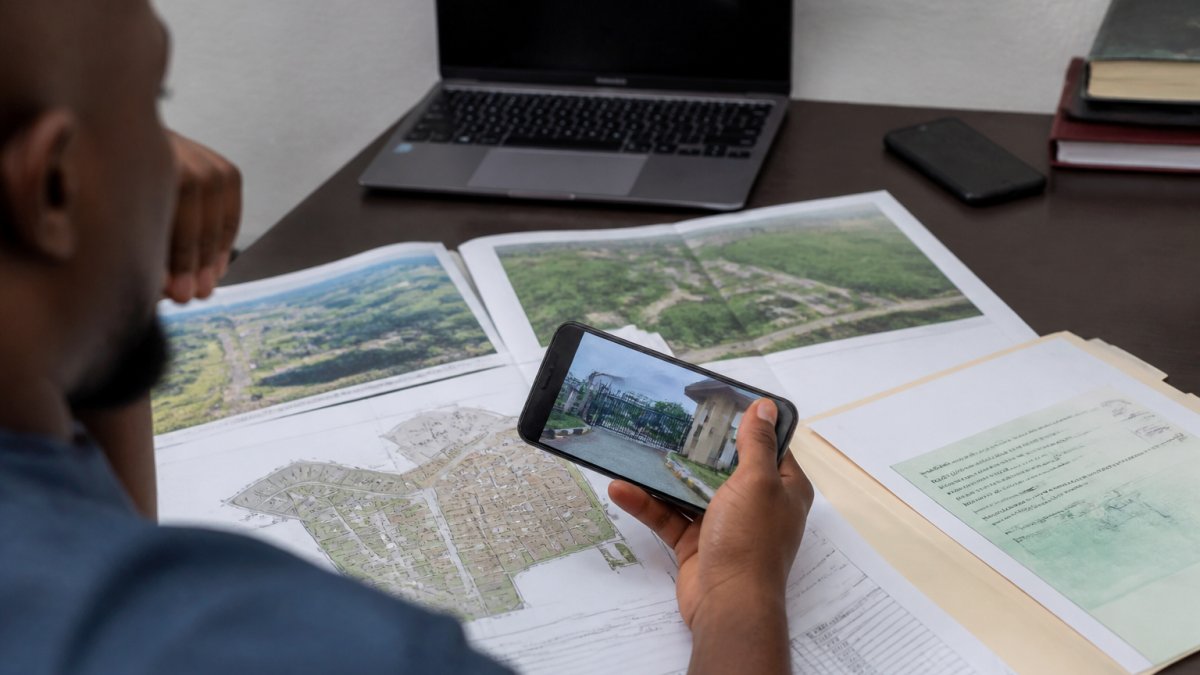
Key checks before you commit:
- Confirm the seller's legal identity and CAC registration
- Commission your own lawyer, surveyor, and inspector in writing
- Obtain a stamped registry search report showing encumbrances
- Verify the survey plan against the physical site with your own surveyor
- Inspect the property and the developer's completed projects
- Structure payments against milestones with receipts
- Retain a complete evidence file
Property Documents to Verify Before Buying in Abuja
Proper documentation is non-negotiable.
The core documents and how to verify each one.
The Certificate of Occupancy (C of O) is issued by the FCT administration and confirms the holder's right to occupy and use the land.
The Deed of Assignment transfers ownership from seller to buyer. It should be executed by both parties, reference the correct title number and property description, and be registered at the land registry.
The Survey Plan shows boundaries, dimensions, and position. Confirm the surveyor's SURCON registration and have your own surveyor check the plan against the site, mismatched plans are a common source of boundary disputes.
Also request the receipts for land rates and ground rent, the chain of ownership documents (prior deeds and transfers), and the developer's CAC registration and building approval from the FCT Department of Development Control where applicable.
Essential documents you must verify:
- Certificate of Occupancy with registry and AGIS confirmation
- Deed of Assignment, executed, stamped, and registered
- Survey Plan with SURCON-registered surveyor and site check
- Receipts for land rates, ground rent, and property taxes
- Full chain of ownership documents
- Developer's CAC registration and building approval Securing these records provides the necessary foundation to verify property titles even when navigating the complexities of ancestral land claims from abroad.
Request originals or certified copies, never photocopies alone, and have your own lawyer review the full set before you proceed. Legal review catches problems that could cost you millions.
Cross-border payment, FX, and repatriation, the part most guides skip.
Paying from abroad is where diaspora buyers lose money quietly. Plan for four things.
Transfer costs and channels. Use a licensed bank or a CBN-licensed international money transfer operator (International Money Transfer Operators).
Exchange-rate exposure. The rate on a comparison site is rarely the rate your bank applies.
Tax obligations. Stamp duty on the deed is payable to FIRS or the state internal revenue service, capital gains tax may apply on disposal, and rental income is taxable depending on your residency and any double-taxation agreement.
Repatriation of proceeds. Moving sale proceeds out of Nigeria requires documentation of the funds' origin and compliance with CBN foreign-exchange rules through your bank.
Central Bank of Nigeria foreign exchange guidelines
How to Avoid Real Estate Scams in Nigeria
Scams target diaspora investors because distance creates opportunity. Fraudsters know you can't drop by the property office to verify claims in person.
Common scams include fake certificates of occupancy, forged deeds, and properties sold multiple times to different buyers. Some scammers pose as developers or agents and collect deposits that never reach the owner; others promise below-market prices to create urgency.
Red flags that should stop a deal immediately:
- Pressure to pay quickly or "before the price increases"
- Refusal to provide complete documentation
- Prices significantly below market rates with no clear reason
- Seller unwilling to involve a lawyer or formal process
- No verifiable track record or references
- Requests for payment to offshore accounts or informal channels
- Inconsistencies between documents or verbal claims
- Unwillingness to allow independent verification
Protect yourself by using established channels: registered agents who belong to professional bodies, lawyers licensed to practice property law, and references from other diaspora buyers you contact directly.
Never send money before you've verified everything. Use escrow or structured payments tied to completion milestones, and if a deal feels rushed, walk away.
Remote Property Management in Nigeria
Managing a property from abroad requires systems and trusted people on the ground.
If you're renting out the property, hire a manager licensed in the property's jurisdiction. A good one collects rent, handles maintenance, screens tenants, and provides monthly reports, your eyes and ears when you can't be there.
Establish clear written agreements defining the manager's responsibilities, commission, reporting requirements, and who approves expenses. Regular communication prevents misunderstandings and catches problems early.
For properties you're holding but not renting, appoint a trusted family member, friend, or professional custodian to monitor the property, handle maintenance, and keep it secure, with clear instructions and regular contact points.
Set up a separate bank account for rental income to simplify accounting and tax reporting, and keep detailed records of all income and expenses, this proves the legitimacy of your investment and helps with tax compliance in both jurisdictions.
Remote management essentials:
- Hire a licensed property manager with verifiable experience
- Use written contracts that define all responsibilities clearly
- Request monthly reports with photos and financial statements
- Establish a maintenance budget and approval process
- Keep all receipts and records for tax purposes
- Use secure communication channels for sensitive information
- Visit the property at least annually if possible
Investment Opportunities and Building Wealth
Real estate builds wealth through capital appreciation and rental income. Understanding both helps you choose the right investment.
Capital appreciation happens when property values rise over time. Prime locations appreciate steadily; developing areas with good infrastructure plans often appreciate faster. Pennek's thoughtfully developed properties in Lagos and Abuja are designed to create thriving communities where you can confidently build your future, focusing on locations where infrastructure investment and population growth drive value.
Rental income provides steady cash flow. Properties near business districts, universities, or transport hubs attract reliable tenants and command higher rents. Short-lets can generate higher returns but need more active management.
Consider your timeline: long-term investors (10+ years) should prioritize capital appreciation, while those needing current income should prioritize rental potential. Many balance both with a portfolio.
Investment types and their characteristics:
| Investment Type | Best For | Income Potential | Appreciation Potential |
|---|---|---|---|
| Residential apartments | Long-term wealth building | Moderate | High |
| Land (undeveloped) | Patient investors | Low | High over time |
| Short-let furnished units | Active investors | High | Moderate |
| Commercial property | Experienced investors | High | Moderate |
| Mixed-use developments | Diversification | Moderate to high | Moderate to high |
Start by clarifying your objectives: retirement income, a family legacy, or diversifying away from currency risk? Your answer shapes which opportunities make sense.
Pennek's approach combines affordability with long-term value: prime-location properties designed to appreciate steadily while offering rental income potential, structured to match investors' timelines and financial capacity.
Conclusion
Safe real estate investment for Nigerians abroad is achievable with a disciplined process: verify documents, run background checks, use licensed professionals, and never rush.
The market offers genuine wealth-building opportunities. Your distance from home doesn't have to be a disadvantage if you use the right systems and trusted partners.
Investing in property shouldn't feel overwhelming. Pennek simplifies the process by handling verification, connecting you with licensed professionals, and providing transparent guidance on your investment returns and mortgage options. Our 15+ years of experience in creating residential communities means we understand what investors need: clarity, security, and real wealth-building opportunities. Get started with Pennek and build the property portfolio that secures your family's future.
Frequently Asked Questions
How can I verify a property before buying it remotely?
Start by requesting the deed of assignment, certificate of occupancy, and survey plan from the seller or agent. Cross-check these documents at the relevant land registry to confirm ownership and check for encumbrances. Hire an independent surveyor to inspect the property on your behalf and provide a physical report. Request recent photographs and videos of the property, and if possible, arrange a video call with the surveyor during the inspection. Verify the developer's track record by asking for references from previous buyers and checking completed projects.
What documents should I check before buying property in Abuja?
Essential documents include the certificate of occupancy, deed of assignment, survey plan, and evidence of payment of property taxes. Request a land title search from the Abuja Land Registry to confirm no outstanding claims or encumbrances exist on the property. Obtain a building plan approval from the relevant authority and proof that the structure complies with zoning regulations. Ask the developer or seller for a completion certificate if the property is already built. Have a lawyer review all documents before you sign anything to identify any legal issues.
How can I avoid property scams when investing from abroad?
Work only with registered developers and agents who have verifiable track records and physical offices. Never send money directly to personal accounts; use escrow services or structured payment plans with milestones. Request written proof of all agreements and keep copies of every transaction receipt. Conduct independent title verification through the land registry rather than relying solely on the seller's claims. If an offer seems unusually cheap or pressure to decide quickly is applied, treat it as a red flag. Engage a qualified real estate lawyer to review all documents and represent your interests throughout the transaction.
What is the best way to manage a property remotely from abroad?
Hire a trusted property manager or agent with a solid reputation to oversee day-to-day operations, tenant relations, and maintenance. Establish clear written agreements outlining their responsibilities, fees, and reporting schedule. Request monthly financial statements and property inspection reports, and schedule regular video calls to discuss performance. Use digital tools to monitor rental payments and maintenance requests in real time. For rental properties, ensure the manager handles tenant screening, lease agreements, and dispute resolution according to local regulations.