
blog · 28 October 2026 · 10 min read
How to Find Affordable Luxury Homes in Abuja 2026
By Editorial Team
Last Updated: October 28, 2026
Quick Summary
An affordable luxury home in Abuja is a well-finished residence in a secure, planned estate that offers premium finishes and amenities below the city's top-tier listings. Buyers searching for affordable luxury homes in Abuja in 2026 can still find strong build quality and a comfortable lifestyle, though prices are rising.
- Average house prices in Abuja sit around ₦420 million, according to Nigeria Property Centre (2026).
- The Federal Mortgage Bank of Nigeria reports a 32% rise in demand for affordable homes over two years.
- Budget 10% to 15% of the purchase price for closing costs, confirmed with your adviser.
- Ask for the estate's service charge schedule in writing and check its changes over three years.
- Verify the title, survey plan and governor's consent before paying any deposit.
Table of Contents
- What Counts as an Affordable Luxury Home in Abuja Today
- Abuja Property Prices in 2026: What Buyers Should Expect
- The Best Residential Estates in Abuja for Value and Lifestyle
- The Best Places to Buy a House in Abuja Right Now
- The Full Cost of Buying a House in Abuja
- Legal Due Diligence: Checking C of O and Land Title Before You Pay
- Start Your Search With Pennek's Shortlist and Price Quote
- Frequently Asked Questions
What Counts as an Affordable Luxury Home in Abuja Today
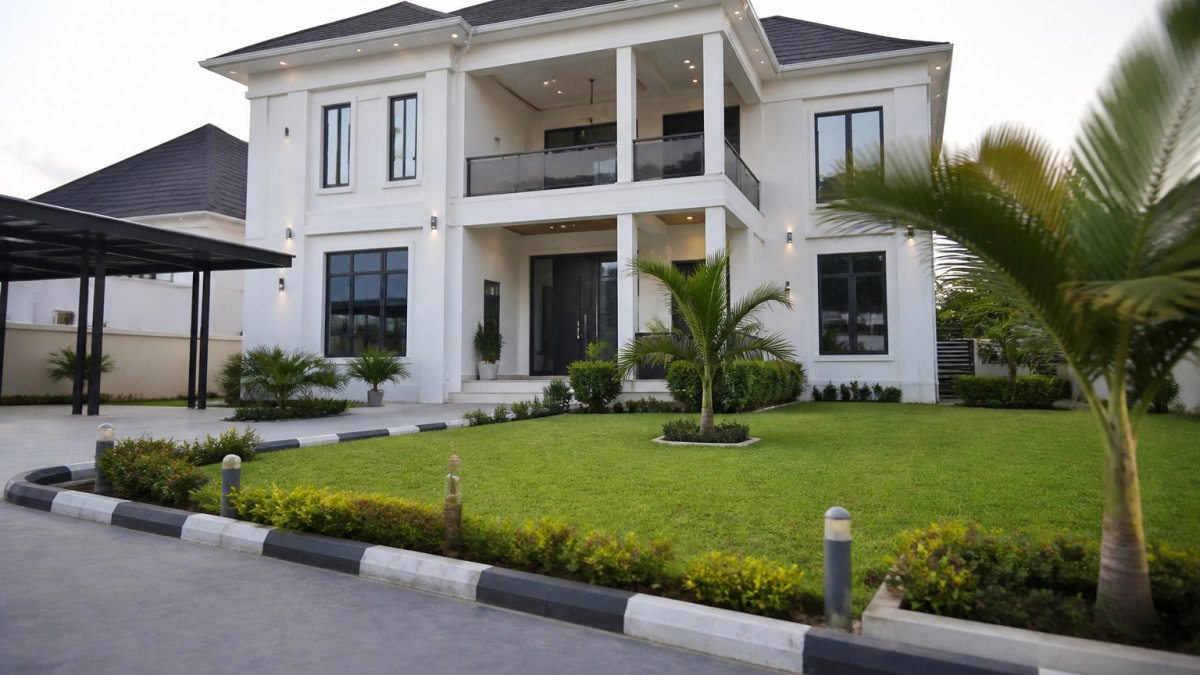
An affordable luxury home in Abuja is a well-finished residence in a secure, planned estate that offers premium finishes and amenities at a price below the city's top-tier listings. Buyers searching for affordable luxury homes in Abuja in 2026 should not expect the same pricing as the prime districts, but they can still find strong build quality and a comfortable lifestyle.
Two things separate a luxury home from a standard one. The first is the estate itself: gated access, controlled entry, and organized common areas. The second is the finish: quality kitchens, ensuite bathrooms, and proper ventilation and lighting.
Affordability is relative. Market data from The AfricanVestor (2026) points to a central residential price appreciation estimate of 12% for Abuja this year, which means waiting too long can raise the price you pay. Buyers who define their budget first and then compare finishes and locations tend to make better decisions.
Abuja Property Prices in 2026: What Buyers Should Expect
Average house prices in Abuja sit around ₦420 million across the residential market, according to Nigeria Property Centre (2026). That average hides a wide spread. Baay Realty (2026) estimates the average home in Abuja at ₦50 million to ₦80 million, which signals how much price varies by location, size, and developer.
Demand is pushing prices up. The Federal Mortgage Bank of Nigeria (FMBN) reports a 32% rise in demand for affordable homes over the past two years. Meanwhile, MKH Properties' 2026 housing deficit analysis estimates a national shortfall of 28 million units, with about 700,000 new homes needed each year.
Some prime-area prices look stretched. The AfricanVestor (2026) puts prime Abuja and Lagos values roughly 15% to 35% above broader market trends. Buyers should check whether a price reflects real build quality or simply a premium location.
The Best Residential Estates in Abuja for Value and Lifestyle
Gated estates often deliver the best balance of security, space, and resale value. For a wider view, read our Best Residential Estates in Abuja: 2026 Guide, which covers pricing, security features, and location details.
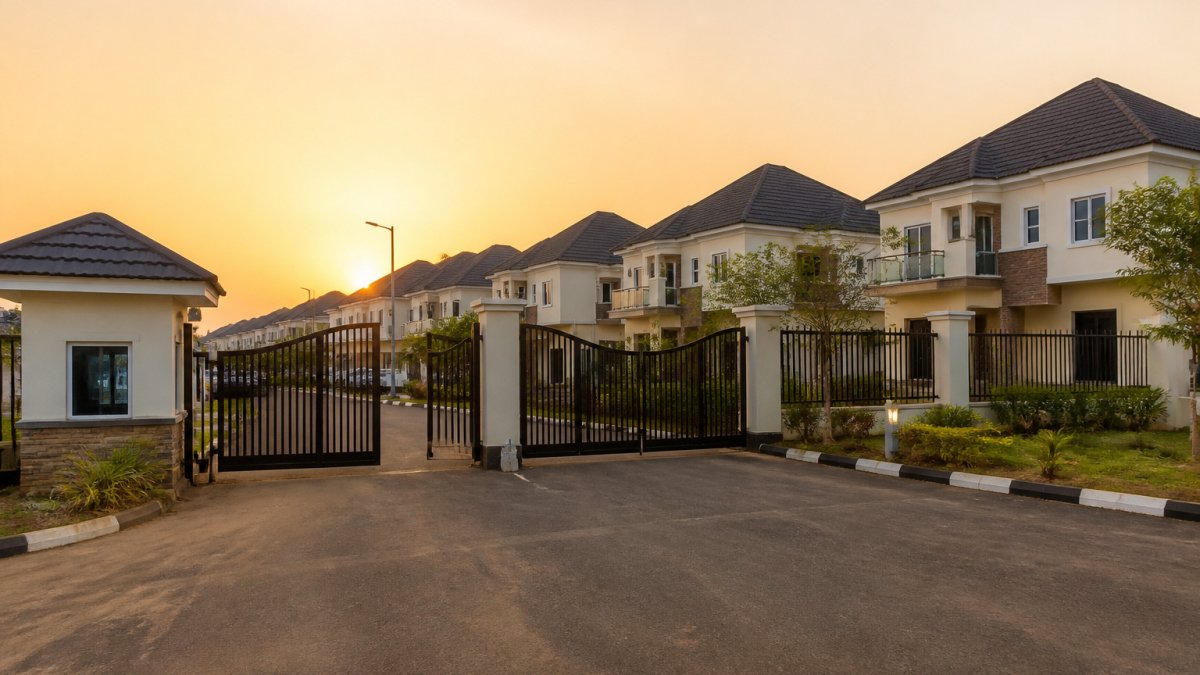
!A well-kept gated estate entrance in Abuja at golden hour, with a security post, landscaped lawns and a row of modern detached homes behind it
Choose an estate based on daily life, not only the sales brochure. Check road access, power supply arrangements, water sources, and how far the estate sits from schools, hospitals and your workplace.
Detached, Terrace and Duplex Options Compared
Detached homes give the most privacy and land, but they cost the most and need more upkeep. Terrace units are more affordable and easier to maintain, though they offer less outdoor space. Duplexes, both detached and terrace, suit families who need separate living zones without the cost of a full detached house.
The Best Places to Buy a House in Abuja Right Now
Location decides long-term value more than any single finish. Buyers should look at access to main roads, planned infrastructure, and the mix of residential and commercial activity nearby. Areas with ongoing development usually show stronger appreciation, though they also carry more construction risk.
Abuja's luxury segment is active. Nigeria Real Estate Market Update (2026) reports more than 1,000 luxury units under construction across major hubs, including Abuja. Off-plan projects can offer lower entry prices, but buyers should confirm delivery timelines in writing.
The Full Cost of Buying a House in Abuja
The purchase price is only the first line of your budget. Affordable luxury buyers in 2026 should map every cost before signing, because the gap between a headline price and the true annual cost of ownership is where most budgets break.
One-off acquisition costs. Beyond the price, plan for legal fees (typically a percentage of the purchase price negotiated with your solicitor), documentation and registration fees, survey costs, and furnishing. A common planning range is 10% to 15% of the purchase price for closing costs, but confirm each line with your adviser rather than relying on the rule of thumb alone. Tax rules are also changing: Legal500 (2026) notes that the Nigeria Tax Act 2025 is reshaping property transactions, so confirm current tax treatment with a qualified adviser before you commit.
Recurring estate costs. This is the line most buyers underestimate. Gated estates charge service charges for security, common-area maintenance, waste collection, landscaping, and sometimes shared power generation. Ask for the current service charge schedule in writing, ask what it has been over the past three years, and ask what triggers an increase. A service charge that looks modest at handover can rise sharply once the developer hands over to a residents' association.
Maintenance and utilities. Detached homes carry higher upkeep than terraces: roofing, painting, generator servicing, borehole and water treatment, and pool maintenance where applicable. Budget separately for diesel or gas where the estate does not provide uninterrupted power, and for water treatment if the estate relies on boreholes.
Financing costs. Compare the total interest paid over the full term, not just the monthly figure.
Before you sign, map every cost. The purchase price is only the first line of the budget.
| Cost | Figure or guidance | Note |
|---|---|---|
| Closing costs | 10% to 15% of purchase price | Common planning range; confirm each line with your adviser |
| Service charges | Ask for schedule in writing | Check what has changed over three years |
| Maintenance and utilities | Budget separately | Covers generator, borehole, roofing, painting |
| Financing | Compare total interest | Look past the monthly figure to full term |
| Annual ownership total | Price + closing + service + maintenance + 12 × monthly repayment | Compare across two or three estates |
Legal Due Diligence: Checking C of O and Land Title Before You Pay
High-value buyers fear fraud more than they fear price. A structured verification process is the single strongest protection you have, and it should run before any deposit leaves your account.
Know the documents you are checking. The Certificate of Occupancy (C of O) is the state-issued title confirming a right of occupancy over land. A Right of Occupancy (R of O) is the instrument granting that right, and in some transactions you will see a governor's consent, a deed of assignment, or a survey plan. Ask for originals, not photocopies, and confirm that the name on the title matches the seller and the entity you are paying.
Run the checks in order. First, conduct a title search at the relevant land registry to confirm the title is genuine and not encumbered. Second, verify the survey plan against the registry to confirm the land sits where the seller says it does and is not under government acquisition. Third, confirm governor's consent where the land has been transferred. Fourth, check for outstanding charges, mortgages, or litigation tied to the title. Fifth, confirm the developer's approval to sell and the estate's layout approval.
Verify the seller and the payment route. Confirm the seller's identity and authority to sell, especially where a company or agent is involved. Pay into a corporate account in the name of the title holder, never into a personal account on instruction. Keep receipts and a written agreement that states what happens if verification fails.
Watch for red flags. Prices far below the estate norm, pressure to pay quickly, refusal to share original documents, a seller who cannot explain the title history, and documents that look photocopied or altered are all reasons to stop. One Facebook case reported a loss of ₦600 million after a buyer invested without proper verification, treat every document as something to verify, not something to trust.
Start Your Search With Pennek's Shortlist and Price Quote
Affordable luxury in Abuja comes down to clear budgets, verified documents, and the right location. Pennek offers transparent processes for property investment and mortgage estimation. To get a current price quote, get in touch with Pennek today.
Frequently Asked Questions
Can ₦20 million buy a house in Nigeria?
A ₦20 million budget may not be enough for the property you want. Property prices and availability vary, so check current listings and confirm the total costs before committing.
What counts as an affordable luxury home in Abuja?
What counts as affordable luxury depends on the buyer's budget and priorities. Pricing depends on the property and its terms, so request a current quote from Pennek or check its website for available information before comparing options.
What should I check before buying a home in Abuja?
Before buying, consider having a qualified lawyer review the property documents and sale agreement, including any stated delivery timelines, before making a payment.
What costs should I budget for when buying a home in Abuja?
Additional costs may apply. Confirm current charges and tax obligations with a qualified adviser, and request a written breakdown before signing.
